
5 Powerful Parental Habits for Happy Kids with Self Worth!
How do we make our children cooperative and happy? Here are 5 parental habits with a major impact on your child and on your relationship with your children.


Welcome, New Dad!
Here, you’ll find articles on how to bond with your baby, how to help out during childbirth, explanations on what happens to both your own hormones (yes, they are affected!), and those of baby’s mom. Polls, tips, and much more.
A new dad (a very tired new dad) described his view of being a new father:
“Well, as a new dad, our mission is to help out, but of course it is limited since we can’t breastfeed.
Instead, we can work to bring home money, clean the house, do the laundry, do all the shopping, cooking, planning, taking care of the garden, diapering (day and night), burping (day and night), taking the baby out for stroller walks during the weekends, so that mom can sleep, volunteer to take care of all the early mornings, and of course, give my wife foot massage.
And not complain of course.
And be very understanding when she complains about being tired.”
Can you relate?
How do we make our children cooperative and happy? Here are 5 parental habits with a major impact on your child and on your relationship with your children.

Life can be overwhelming a new parent. Learn what other dads found the most difficult to adjust to in this poll on becoming a new dad.
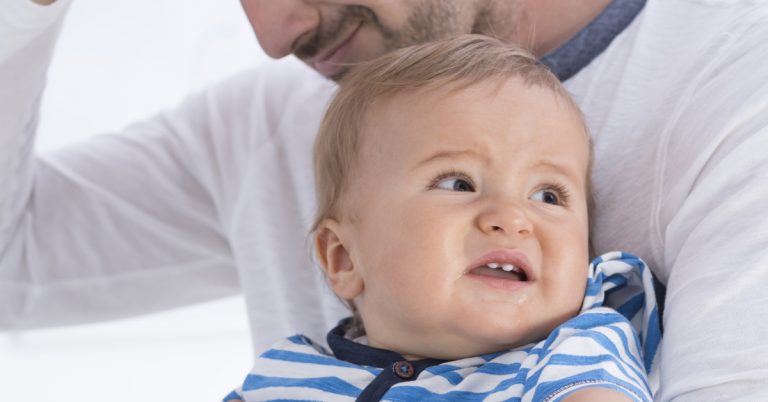
If your baby screams when dad holds him or her, you will find tips here on how to help baby and dad bond and on how to deal with the hurt emotions.

Baby has suddenly started to refuse dad putting her to sleep. Dad is really sad about this. I would like it to change if we can. Find tips on what to do!

If you are a new dad - do you feel left out at all? This is common since the mom-baby…

A new dad can feel left out! New baby and mom are in complete focus. Remember the new father by buying some nice gifts for dad any day, Christmas, birthday or on Father's Day.

It can be tough to get intimacy going as new parents. Find a dad's tips on how to make sex happen again after new baby. With 3 kids, he should know. :-)

Fatherhood leads to a drop in testosterone levels. Are dads less manly? What are the real effect and should men panic over the change hormone levels?
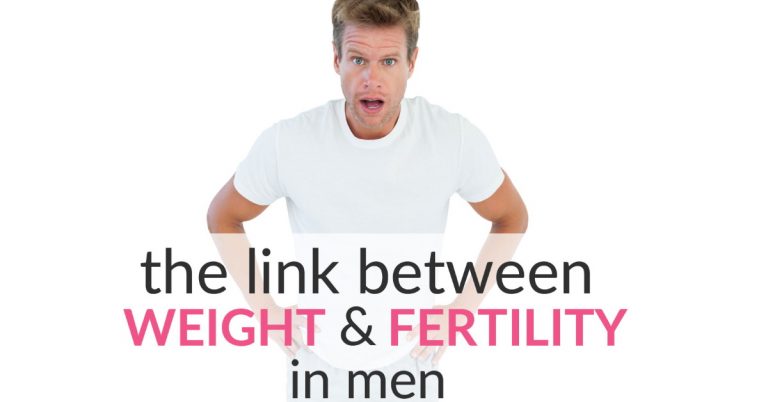
Research has found a link between weight and fertility in men. Lower sperm count or even NO sperm count may be the result of being overweight.

Attachment parenting is all about staying close and responding to your little baby's needs. And have fun! Find tips on what to do here.

Couvade syndrome, more known as sympathy pregnancy is becoming increasingly common among dads but is still denied by many doctors. Learn all about it here.

What to do when the bonding doesn't work for new dad? Here are helpful tips to a new dad worried because he feels no bond with his newborn baby.