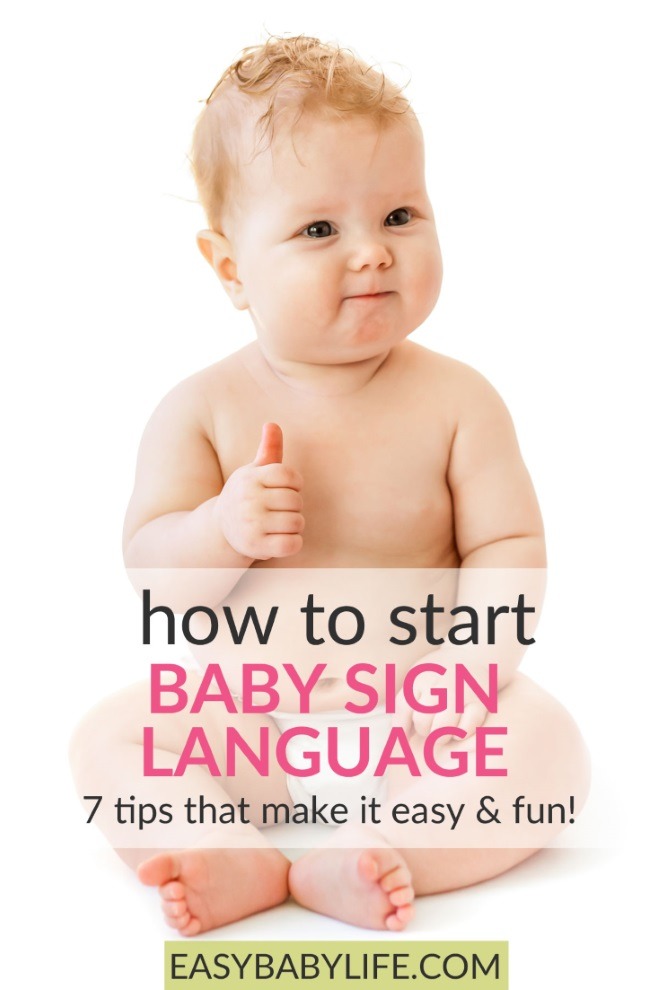
I started baby sign language with him a bit when he was around eight months old. Teaching sign language to a baby, even if it is just a sign or two, is really cool! Imagine an 8-month-old baby being able to use baby sign language to say that he is hungry instead of whining…
Sounds exciting, doesn’t it?
Baby sign language is a relatively new trend, and growing rapidly. Studies have shown that children that have learned to sign have a higher IQ, that they actually start talking earlier and with a better vocabulary and that they are less frustrated. Good reasons to try it out!
Well, I think there is another even stronger reason: Why not just try it out to have fun together with your baby and maybe to be able to understand him or her better and faster?
One mom also told me about another advantage: Her child, now old enough to play outside in the garden, can use signs instead of shouting to his mom when she talks to him through the window.
How To Get Going With Baby Sign Language
- When to start
- But I need to learn too…
- Choosing language
- Start slowly
- Don’t give up
- Get your family involved
- And repeat…
- Web resources & videos
When to start
When to start signing with your baby is very much up to you. You can start early, and maybe get your baby to start doing signs already at 7 or 8-month-old.
Or you start later when your baby is trying harder to communicate by use of words, faces, and hands. This way you’ll probably notice a result faster. Also, some babies are busier trying to get moving than trying to communicate. And the other way around.
But I need to learn too…
Baby signing is not difficult! But it can be hard to actually get going, especially for someone has never used sign language before (like most of us). “I’ll start tomorrow…”
Attending a baby signing class is a perfect way to learn how to do it and to actually get around to start. And it’s fun! But if you can’t find a course that works for you, you at least need to check some instructive videos or buy a book.
There are two different “schools” regarding baby sign language at present. The difference between those is that one of them uses proper American Sign Language and the other uses simpler signs. So if correct American signs are important for you, check out for example books by that is important for you, go for his book.
Here you’ll find Garcia’s bestselling book on baby sign language.
Otherwise, check out the truly awesome Baby Sign Language Made Easy: 101 Signs to Start Communicating with Your Child Now by Lane Rebelo. It contains everything you need to get going!
Choosing language
Did you know that sign language is not universal? That is such a shame! But that’s how it is.
I suggest you use signs from the sign language in your country. That way both you and your child actually learn a new language that is useful where you live.
Also, if your baby will go to a day care center at some point, chances are higher that the teachers will be able to interpret your baby’s signs if they are the “real thing”.
If this is not at all important for you, go ahead and make up your own signs! In this case, you may find the book Baby Signs by Linda Acredoloinspiring.
Start slowly
Don’t be too ambitious. Pick only one or a few signs to start with. Signs for food, drink, sleep and pacifier mayby if your child uses one.
Since you need to do the sign more or less every time you refer to the word you want to teach, you will not be comfortable having to sign in each and every sentence. At least not in the beginning before you get used to signing.
Don’t give up
Just as babies understand words long before they show it, the same goes with signing.
Depending on your baby’s age and interest, he or she might start using the signs after only a few days or after several weeks. If it takes time, don’t be discouraged.
Get your family involved
Ask your spouse and your baby’s older siblings to help out. This way your infant will see the signs more often and everybody in the family will be able to understand the baby’s signs when he starts doing them.
And it’s fun! Siblings can be really thrilled when the baby suddenly starts communicating! Not to mention what a party trick it is! :-)
And repeat…
Repetition. For you, NOT the baby. Learning to sign should be effortless for your baby. It is about you (and everyone else around the baby if possible) to do the specific sign every time that word comes up. And if (when) your baby starts doing the sign, you can certainly reinforce that by a big smile and also see if you can encourage doing more of the sign by making it a game – baby signs pacifier, gets pacifier, mom signs pacifier and gets it. And repeat. But only if the baby wants to!
Web resources & videos
Ready to get started? I’d really recommend this 1-hour intro course to get you going! It is not something heavy or lengthy, but a great way to get started. And it covers baby signing from 2 months to 3 years!
In addition to learning material you buy, you should of course also check out the free resources around the web if you want to learn more. Youtube has a lot of good material these days.
In addition, you are likely to be able to find pictures of specific signs in your country, as well as forums to discuss baby signing, classes to attend, books, and more.
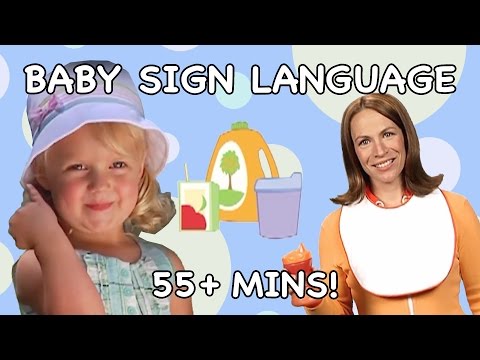
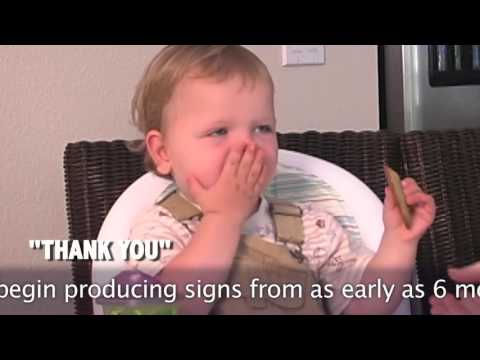
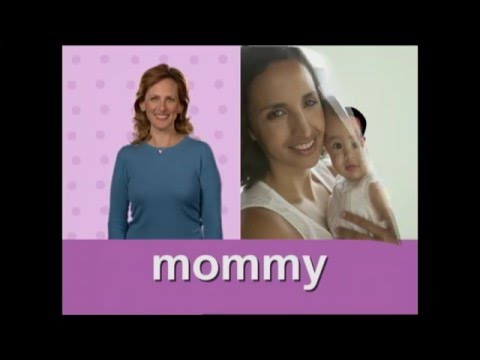
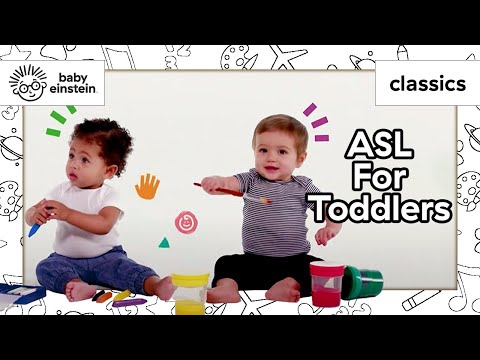
To get started, have look at the videos for baby sign language here below. Good luck!!
Inspired..? Again, check out the intro course here! :-)
Are you signing with your baby or want to? Let me know and share your tips or challenges below! :-)

Paula Dennholt founded Easy Baby Life in 2006 and has been a passionate parenting and pregnancy writer since then. Her parenting approach and writing are based on studies in cognitive-behavioral models and therapy for children and her experience as a mother and stepmother. Life as a parent has convinced her of how crucial it is to put relationships before rules. She strongly believes in positive parenting and a science-based approach.
Paula cooperates with a team of pediatricians who assist in reviewing and writing articles.




That’s amazing Brian! So early!